


Introduction to thalassemia
Thalassemia is a genetic blood disorder that affects the body’s ability to produce hemoglobin—an essential protein in red blood cells (RBCs) that carries oxygen throughout the body. In thalassemia, the body either doesn’t produce enough hemoglobin or produces it abnormally, leading to anemia, fatigue, and other complications.
As medical technology advances, AI in thalassemia diagnosis is playing a growing role in early detection and better management of this inherited condition.
Why is it important to understand the disease
When people understand the nature of a disease like thalassemia, they become aware of how it spreads — especially when it’s genetically inherited.
In countries like Pakistan, where cousin marriages are common, a lack of knowledge leads to a high rate of transmission. Understanding the disease encourages premarital screening, which can prevent new cases.
Understanding Blood: The Foundation
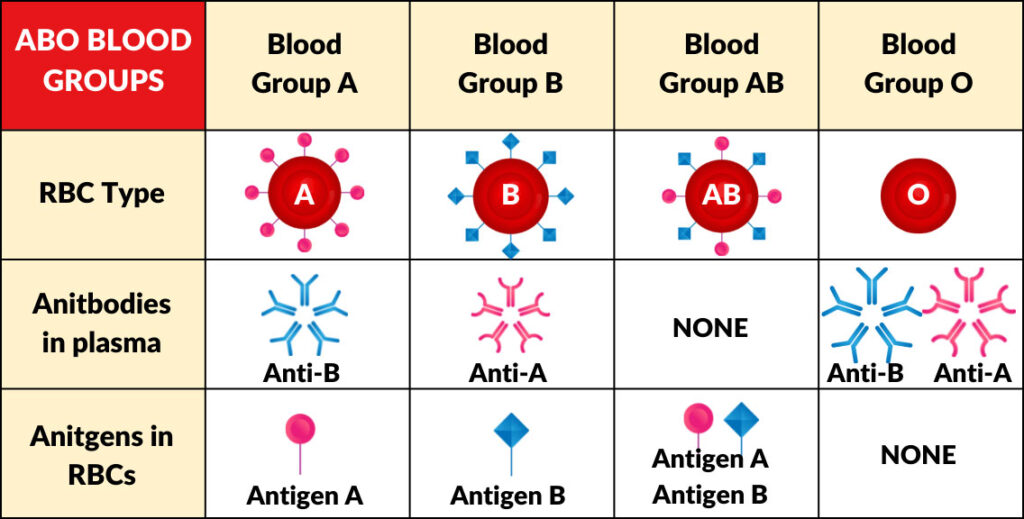
There are 8 common blood types: A+, A−, B+, B−, AB+, AB−, O+, and O−. These are categorized by two major systems:
- ABO System: Determines A, B, AB, or O blood types based on antigens.
- Rh Factor: Determines whether the blood type is positive (+) or negative (−).
Why Blood Type Matters in Thalassemia
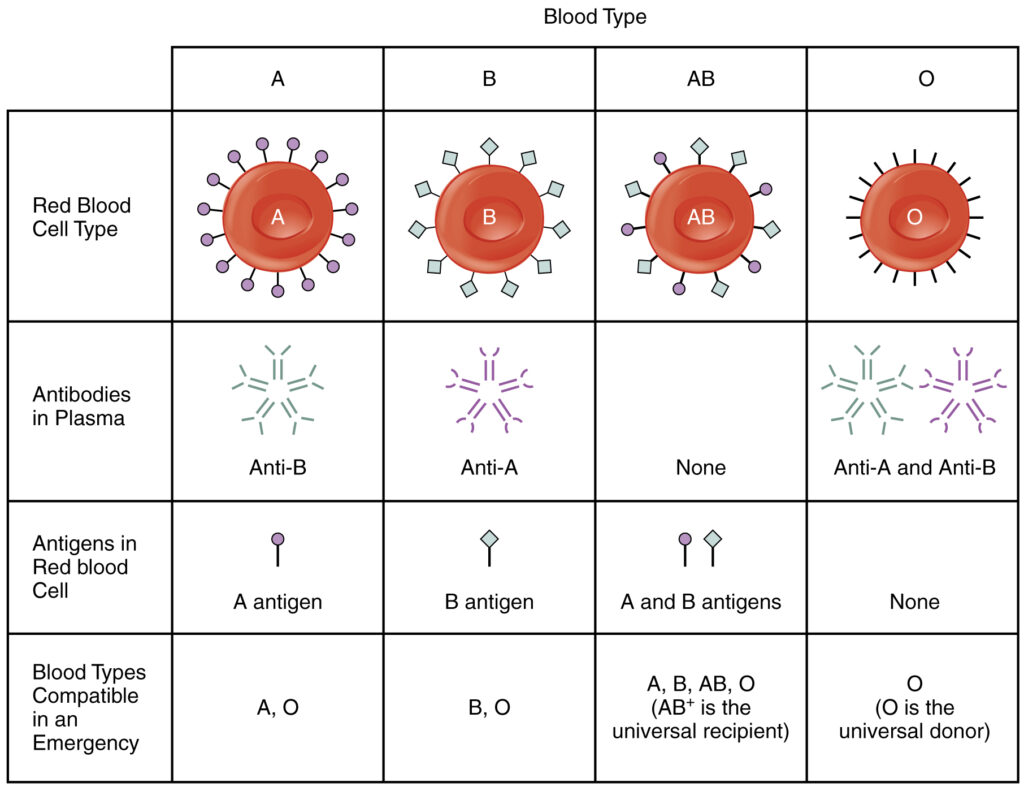
Patients with Beta Thalassemia Major require frequent blood transfusions. Accurate blood typing ensures compatibility, reduces reactions, and helps manage iron levels. In many cases, antigen-matched blood beyond ABO and Rh is necessary to avoid alloimmunization.
What Makes Each Blood Group Unique?
- O−: Universal donor
- AB+: Universal recipient
Each group has unique properties, and matching is critical for transfusions.
Types of Blood Cells & Their Functions
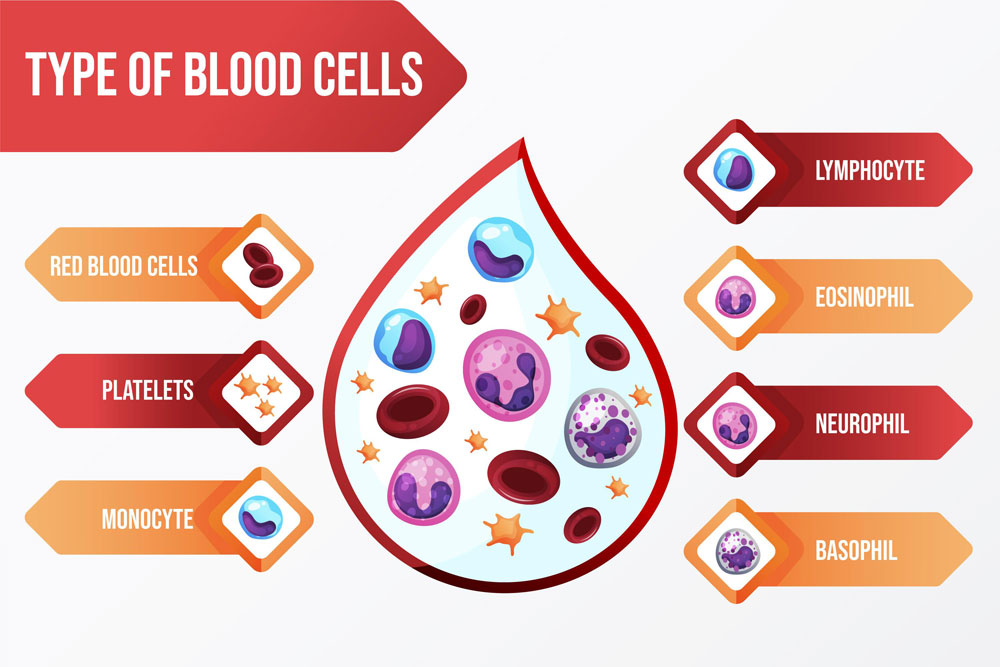
- Red Blood Cells (RBCs): Carry oxygen via hemoglobin.
- White Blood Cells (WBCs): Fight infections and support immunity.
- Platelets: Help in clotting and wound healing.
- Hemoglobin: A protein composed of 2 alpha and 2 beta chains; essential for oxygen transport.
In Thalassemia, Hemoglobin production is defective, leading to abnormal RBCs and anemia.
Thalassemia: Types & Causes
Alpha Thalassemia
Caused by defects in alpha-globin genes (HBA1 and HBA2) on chromosome 16. Severity depends on how many of the 4 genes are mutated.
Beta Thalassemia
Caused by mutations in the beta-globin gene (HBB) on chromosome 11. The severity ranges from mild (minor) to life-threatening (major).
Key Differences
| Feature | Alpha Thalassemia | Beta Thalassemia |
|---|---|---|
| Affected Genes | HBA1, HBA2 (chromosome 16) | HBB (chromosome 11) |
| Inheritance | Autosomal Recessive | Autosomal Recessive |
| Main Chain Affected | Alpha | Beta |
| Major Symptoms | Severe anemia, hydrops fetalis | Fatigue, bone deformities, delayed growth |
| Diagnosis Tools | Genetic testing, HbH test | CBC, electrophoresis, genetic testing |
| Treatment | Transfusions, supportive care | Transfusions, iron chelation, BMT |
Inheritance Pattern
- Both parents must be carriers for a child to have Thalassemia Major.
- Carrier couples have:
- 25% chance of an affected child
- 50% chance of a carrier child
- 25% chance of an unaffected child
Symptoms & Diagnosis
Common Symptoms:
- Severe fatigue
- Pale/yellowish skin
- Bone deformities
- Delayed growth/puberty
- Enlarged spleen/liver
- Frequent infections
Diagnostic Tests:
- CBC (Complete Blood Count) – Identifies anemia and abnormal RBCs.
- Hemoglobin Level Test – Measures hemoglobin concentration.
- Hemoglobin Electrophoresis – Confirms thalassemia type.
- Genetic Testing (Recommended) – For detailed analysis and carrier screening.
Role of Artificial Intelligence (AI) in Thalassemia Diagnosis
AI is revolutionizing the detection and management of thalassemia in multiple ways:
1. Early Detection & Accurate Diagnosis
- AI algorithms analyze CBC and hemoglobin electrophoresis results.
- Detects subtle patterns often missed by human observers.
- Identifies carriers quickly—especially useful in high-risk regions.
2. Genetic Analysis & Mutation Mapping
- AI systems can scan entire genomes to identify thalassemia-related mutations.
- Supports premarital screening, IVF selection, and prenatal diagnosis.
3. Personalized Treatment Plans AI tools
- Predict transfusion needs
- Recommend chelation therapy dosage
- Alert doctors to the early signs of organ damage
4. Mental Health Support
- AI chatbots provide 24/7 emotional support.
- Tools detect depression, anxiety, and help connect patients with counselors.
How AI is transforming healthcare
Treatment Options for Thalassemia:
- Regular Blood Transfusions: Essential for thalassemia major patients.
- Iron Chelation Therapy: Removes excess iron caused by transfusions.
- Bone Marrow or Stem Cell Transplant: Potential cure in selected cases.
- Gene Therapy (Emerging): Research is underway on CRISPR and other techniques to correct mutations at the genetic level.
Conclusion
Thalassemia is a serious yet manageable genetic condition. With the rise of Artificial Intelligence, especially the growing use of AI in Thalassemia Diagnosis, early detection, personalized care, and psychological support are now more accessible than ever. AI is not here to replace doctors—but to empower them to offer faster, more accurate, and more compassionate care to patients and families affected by blood disorders like thalassemia.



Great information