

Introduction to AI in Games
Have you ever played a game in which the characters acts like real ? It feels like magic That is AI’s magic in games. AI goes behind the scenes and makes games smart, immersive, and full of surprises. Whether it’s enemies that learn your playstyle, worlds that evolve as you explore, or stories that change around your decisions, AI is transforming gaming in ways we never thought.
Artificial Intelligence (AI), they are getting even more thrilling. AI is getting games smarter, tougher, and more realistic. Artificial intelligence (AI) is helping game creators in designing worlds to making enemies behave like humans, AI is omnipresent in gaming such as NPC, world generation, character generation, in designing game ideas, in coding, level making, etc.
In this article, I am going to share my journey of creating a game with AI’s help.
I will also discuss few of the top AI-enabled games you can play today, games that are pushing Artificial Intelligence (AI). If you’re a serious gamer, a casual dev, or simply interested in how AI is shaking up entertainment, there’s something in this for you. So, let’s start and see the thrilling ways artificial intelligence is revolutionizing gaming .Artificial Intelligence (AI) is one of the most exciting and powerful tools in modern gaming. From creating smarter enemies to generating game worlds, AI is reshaping how games are made and experienced. It helps games feel more realistic, challenging, and even emotional. But how did we get here? And why is AI so important for both players and developers?
What Is AI in Games?
In easy words, AI in games refers to the programming and systems that allow computer-controlled characters or elements to act like humans. It doesn’t mean the AI is truly “thinking,” but it simulates decision-making and learning in ways that feel real. For example:
1)Enemies that chase you or hide when under fire.
2)Non-playable characters (NPCs) that follow routines or change behavior based on your actions.
3)Environments that adapt to your strategy or difficulty level.
4)These intelligent systems give games more intresting and make each playthrough feel unique.
Why AI Matters in Games
Without AI, games would be predictable. Imagine if every enemy just stood still or followed the same path every time. That would get boring fast. AI makes things interesting by:
Creating unpredictability – You never know exactly what the enemy will do.
Making challenges feel fair – AI can adjust to your skill level.
Building immersion – Smart characters make the world feel alive.
Examples of AI in Games You May Know
Even if you didn’t realize it, you’ve probably seen AI in action in many popular games:
GTA V –walking people and police have behaviors and routines that react to what you do.
Minecraft – Mobs (like zombies and skeletons) follow simple AI rules to chase and attack.
The Last of Us – Enemies cordinate with each other, flank you, and react to your moves.
FIFA Series – Opponents learn how you play and adjust their tactics If you ever played a modern FIFA game, you probably know that one shot that works three or four times in a match, but the next time you try it, it doesn’t work anymore because the NPCs have learned how to stop it.
These systems make games more than just a set of graphics and rules, they make them feel alive and responsive.
AI Beyond Enemies: Expanding Roles in Gaming
In modern games, AI isn’t just about enemies. It helps create:
Procedural worlds:- mean AI can create endless, unique landscapes that still feel real, just like planets you can explore in No Man’s Sky.
Dynamic stories – In some games, like Detroit: Become Human, the story changes based on the choices you make.
Game testing and balance – Developers use AI bots to playtest levels and find bugs faster.
As AI tools evolve, so do the possibilities. What once took teams of designers months to build can now be generated in minutes using smart systems.
AI and the Player’s Experience
For players, AI means:
More fun – because each experience can feel new and unexpected.
More challenge – since AI can test your skills better than scripted behavior.
More freedom – as intelligent systems allow for open-world exploration and meaningful decisions.
The Evolution of AI in Gaming
AI in gaming did not become advanced in a night. It’s been a journey that started with very simple logic and has now grown into systems that can mimic learning and even creativity. Let’s take a walk through the history of AI in games and how it has evolved over time.
The Early Days: Simple Rules and Reactions
In the 1970s and 1980s, video games were limited by hardware. AI was more like a set of pre-written instructions rather than something smart. Early games like Pong and Space Invaders used basic patterns:
In Pong, the AI opponent just followed the ball up and down.
In Pac-Man, the ghosts had very simple behavior based on your position.
These early AI didnot “think” — they just reacted. But even with these basic systems, players were hooked. The illusion of intelligence made the games feel interactive and fun.
The 90s: Smarter Enemies and Strategy
Artificial Intelligence (AI) improved like computers and consoles. In the 1990s, we started seeing enemies that could chase, hide, or even plan:
In Doom and Quake, enemies would charge at you or take cover.
Strategy games like Command & Conquer and War craft used AI to manage enemy armies, build bases, and make decisions.
Developers started experimenting with finite state machines (FSM), a system where characters could switch between states like “patrol,” “attack,” or “flee.” This allowed for more dynamic and believable behavior.
The 2000s: Adaptive AI and Open Worlds
The 2000s introduced bigger game worlds and smarter NPCs:
Halo: featured enemies that could flank you and retreat when injured.
The Elder Scrolls IV: Oblivion gave every character a daily routine, like working, eating, and sleeping.
F.E.A.R: had some of the most advanced AI of its time, with enemies using cover, flanking tactics, and team communication.
AI in this era started using path finding algorithms like A* (A-star), which helped characters navigate complex environments. Games also started using behavior trees, a more flexible way to manage complex AI actions.
The 2010s: Learning and Procedural AI
In the 2010s, AI became more dynamic, adaptive, and even creative:
Shadow of Mordor introduced the Nemesis System, where enemy orcs ( mean a big, strong and evil creature) remembered you, grew stronger, and reacted to your actions.
The Last of Us had enemies who communicated, searched for you, and acted more realistically.
No Man’s Sky used Auto-generated content powered by AI to create 18 quintillion planets, each with its own area, life forms, and resources.
Developers also started using machine learning techniques, especially for things like animation blending, voice synthesis, and procedural world-building.
The 2020s: AI as a Creative Partner
In recent years, AI has started to help with game development as well:
AI can generate dialogue, art, level layouts, and even music.
Tools like ChatGPT and MidJourney help developers come up with ideas, write scripts, or even code features.
AI is also being used to test games automatically, saving time and catching bugs early.
We have also seen games that experiment with AI as a central mechanic. For example:
AI Dungeon uses AI to generate an endless text adventure based on your input.
Hello Neighbor has an AI that learns your patterns and tries to outsmart you.
Now, with the rise of generative AI, game development is entering a new era where human creativity is supported by machine intelligence.
What’s Next?
We’re starting to see experiments with AI that can:
Learn from players and adjust difficulty in real-time.
Understand voice commands and natural language.
Create entire games from a basic idea.
AI is no longer just part of the game—it’s becoming part of the development team. And this means faster creation, more personalized experiences, and deeper gameplay.
How AI Helps Game Developers
AI is not just used in the games we play—it also helps behind the scenes. Developers are using AI to design smarter characters, build game worlds faster, and even write dialogue or music. With the right tools, AI can save time, boost creativity, and make game development more accessible to smaller teams or even solo developers.
Let’s explore the different ways AI is changing how games are made.
1. AI for Smarter Characters
Traditionally, designing the behavior of enemies or friendly characters was time-consuming. Developers had to hand-code every action or reaction. Now, with AI tools, developers can:
Build adaptive enemies that learn from the player.
Create friendly NPCs that feel more natural in their movements and responses.
Use behavior trees and machine learning to generate decision-making systems that evolve over time.
Example: In stealth games like Hitman, AI is used to make guards patrol intelligently, investigate noises, or report suspicious activity—all while feeling believable.
2. AI for World and Level Design
Creating detailed game worlds used to take months. Artists and designers had to place every tree, rock, and building by hand. AI tools have changed that:
Procedural generation allows AI to automatically build landscapes, cities, and dungeons.
Developers can create infinite content from a small set of rules, saving time and effort.
AI can fill worlds with believable details like traffic, wildlife, weather, and dynamic lighting.
Example: No Man’s Sky uses procedural AI to generate entire planets with unique ecosystems, weather patterns, and terrain—all from a set of formulas.
3. AI for Art and Animation
AI can also assist artists and animators by:
Automatically generating textures, environments, and characters.
Helping animate characters by blending movements in real-time.
Making facial animations and lip-syncing for dialogue using tools like DeepMotion or Ziva Dynamics.
This allows small teams to create visuals that would previously require huge budgets and many hours.
Example: Indie developers now use AI art tools like Stable Diffusion or MidJourney to create concept art and backgrounds in minutes.
4. AI for Dialogue and Storytelling
Creating rich, branching stories used to be overwhelming, especially in games with multiple endings or interactive dialogue. AI now helps with:
Generating dialogue that fits the character’s personality or mood.
Creating dynamic storylines that change based on player choices.
Translating dialogue into other languages using AI translation.
Example: In AI Dungeon, the story is written on the fly using language models like GPT. Every action you take generates a unique response.
Developers are also using ChatGPT to brainstorm story ideas, fix grammar, or even write background lore.
5. AI for Testing and Balancing
Testing a game for bugs and balance is one of the most time-consuming tasks in development. AI helps by:
Running automated test sessions to find bugs or crashes.
Playing the game like a player to see if anything breaks.
Adjusting enemy strength, loot drops, and difficulty levels automatically.
Example: Ubisoft uses AI tools like Commit Assistant to find and fix bugs before developers even notice them.
6. AI for Music and Sound
AI can now create music and sound effects that fit the mood or theme of a game:
Dynamic soundtracks that change based on gameplay.
Procedurally generated music that never repeats.
Sound effects that are automatically synced with animations or events.
Tools like AIVA and Amper Music let developers generate original soundtracks without needing a composer.
7. Helping Small Teams Do Big Things
Perhaps the most exciting thing about AI is how it empowers smaller creators:
Solo developers can now create full games without hiring large teams.
Students and hobbyists can build projects faster and learn as they go.
Indie studios can compete with larger companies by using smart tools.
For example, a single person can now write a story, generate art, build levels, and even code with the help of AI assistants.
Top AI-Powered Games
AI isn’t just a background tool anymore—many modern games use it as a core part of gameplay. These games either use AI to create smarter opponents, generate content, or power unique game systems. Here are some of the best examples of AI-powered games that have pushed the boundaries.
1. The Last of Us Part II
Platform: PlayStation 4, PlayStation 5
Price: Around $39.99 USD
Buy link: https://www.playstation.com/en-us/games/the-last-of-us-part-ii/
How it uses AI:
Enemies in The Last of Us Part II use advanced AI to search for you, call out to each other, flank your position, and even feel emotions. For example, if you kill a guard, their allies may shout their name and become more aggressive. The AI adds tension and realism, making every encounter unpredictable.


2. Shadow of Mordor / Shadow of War
Platform: PC, PS4, Xbox One
Price: Around $19.9
Buy link: Steam
How it uses AI:
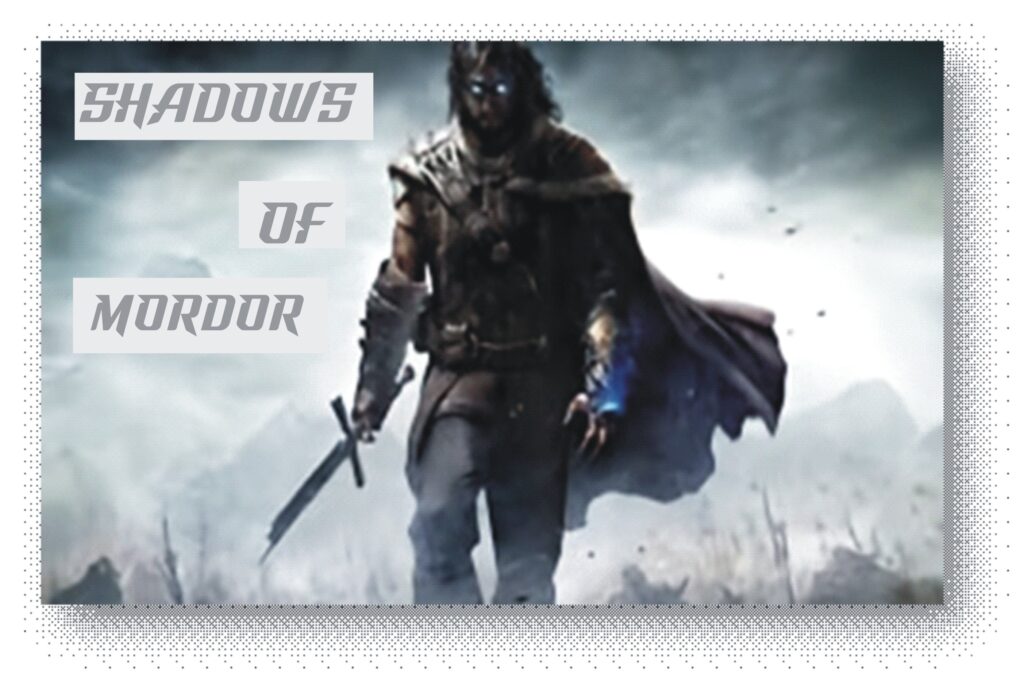
These games feature the groundbreaking Nemesis System, where orc enemies remember you, hold grudges, and rise through the ranks if they survive. The AI-generated rivalries create personalized storylines and make each player’s experience unique.
Shadow Of Mordor
3. Alien: Isolation
Platform: PC, PS4, Xbox One, Nintendo Switch
Price: Around $39.99
Buy link: https://store.steampowered.com/app/214490/Alien_Isolation/
How it uses AI:
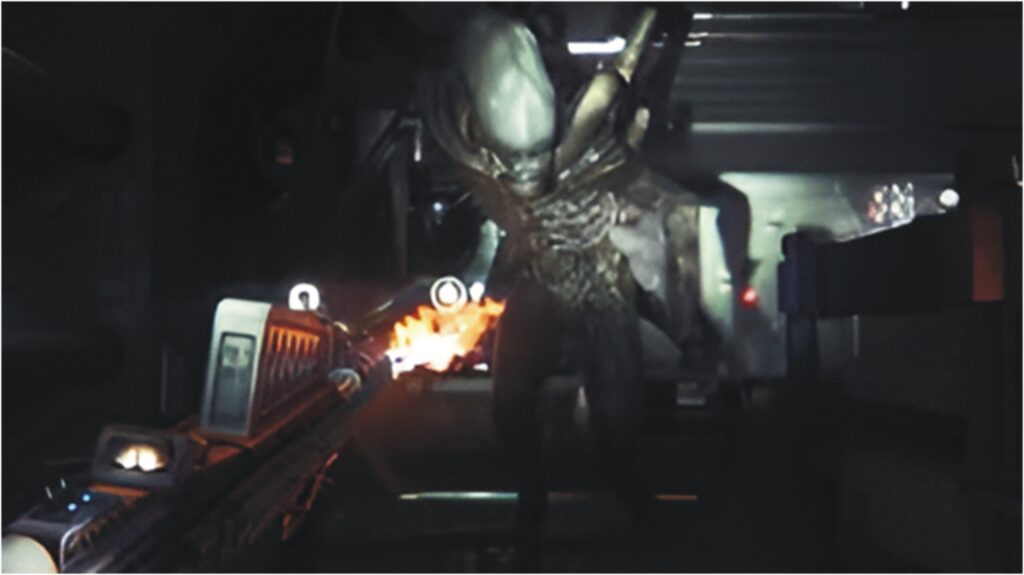
The alien in this game doesn’t follow scripts. Instead, it uses an AI system to hunt you based on your sounds, movement, and hiding spots. It adapts to your strategy, making every play through terrifying and intense.

4. F.E.A.R. (First Encounter Assault Recon)
Platform: PC
Price: Around $9.99
Buy link: https://store.steampowered.com/app/21090/FEAR/
How it uses AI:
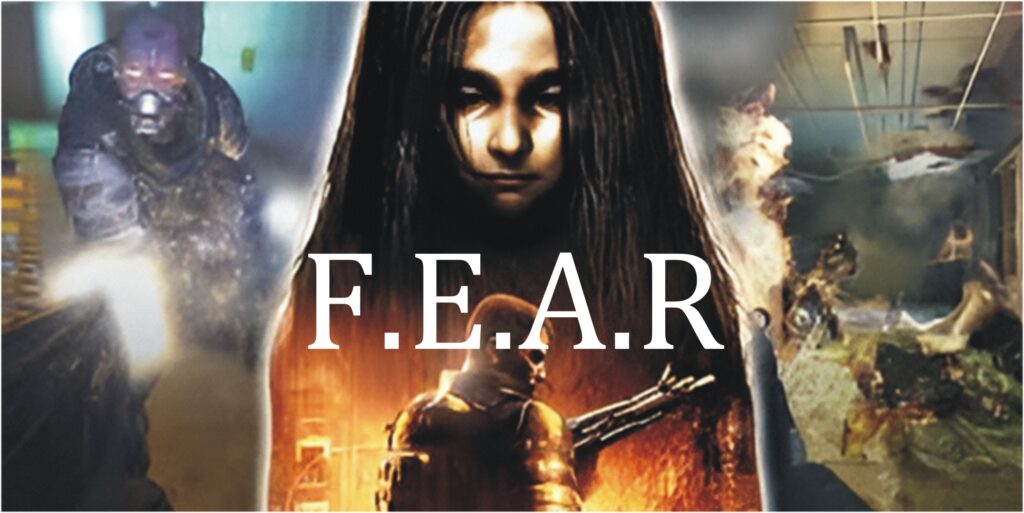
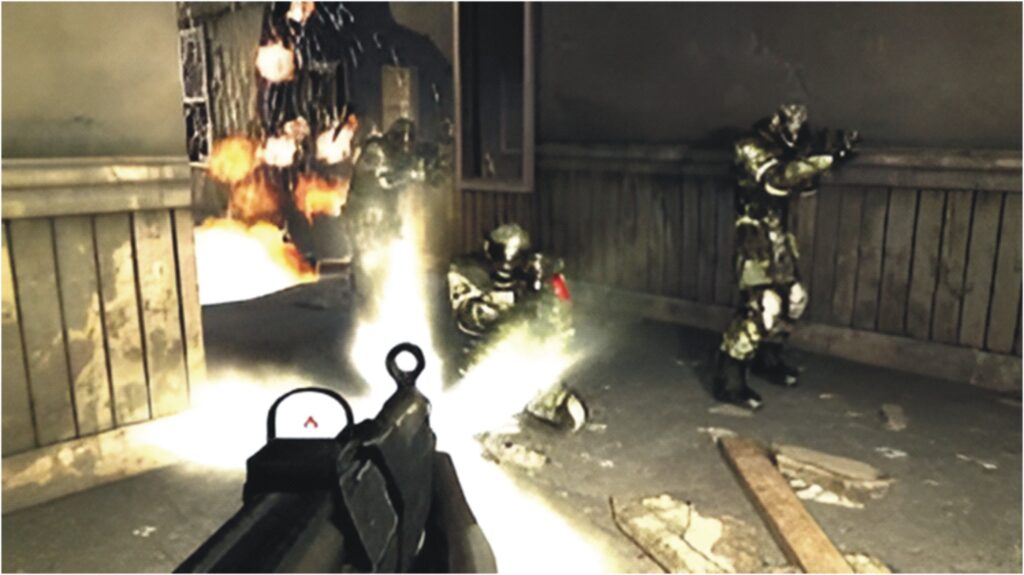
The AI in F.E.A.R. is still praised today. Enemies communicate, flank, take cover, and act like real soldiers. They don’t just run at you—they try to outsmart you. This makes the combat feel tense and realistic.
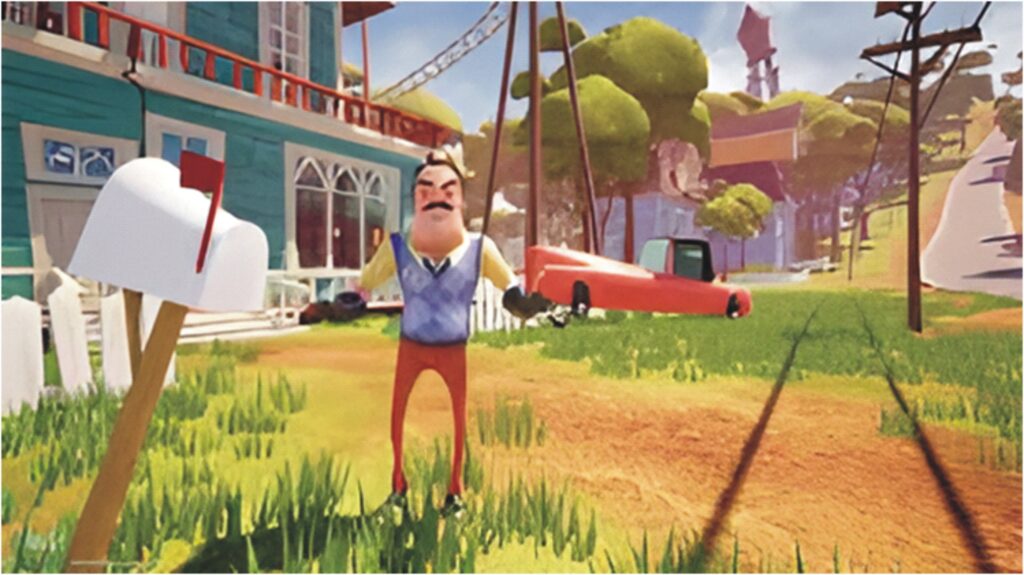
Price: Around $29.99
Buy link: https://store.steampowered.com/app/521890/Hello_Neighbor/
How it uses AI:
The neighbor character learns your habits. If you always sneak in through a certain window, he’ll set traps there next time. It’s one of the first games where AI “learns” how you play and adjusts.

6. Metal Gear Solid V: The Phantom Pain
Platforms: PC, PS4, Xbox One
Price: Around $10–$30
Buy link:
https://store.steampowered.com/app/287700/METAL_GEAR_SOLID_V_THE_PHANTOM_PAIN
How it uses AI:
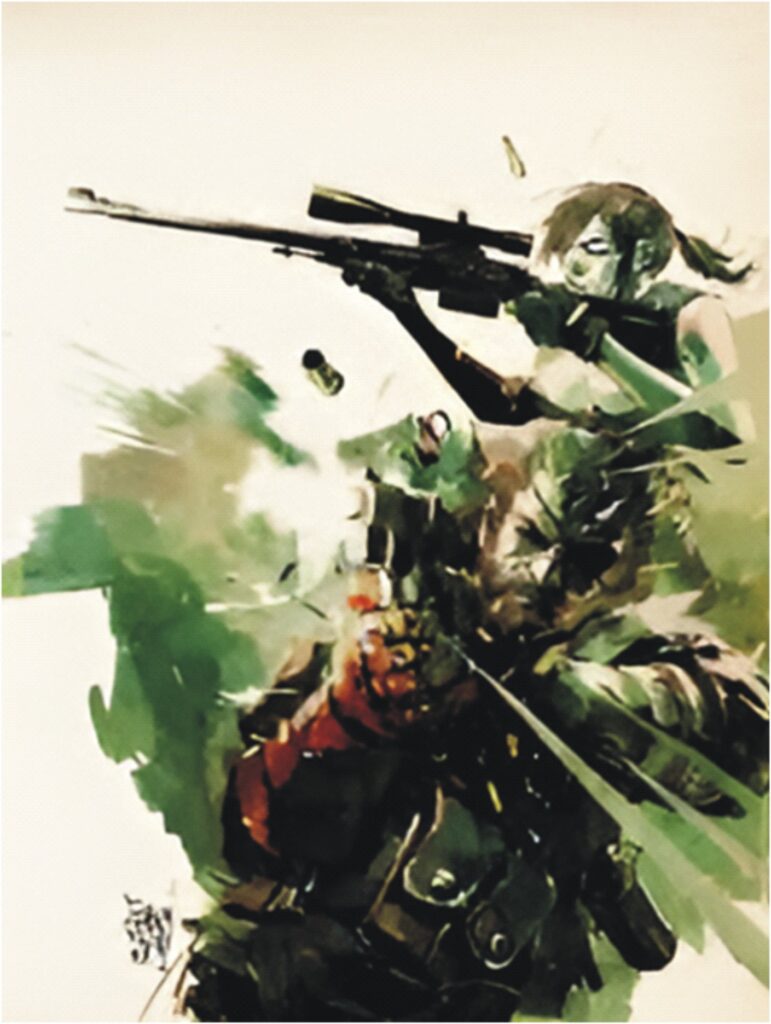
Enemies adapt to your play style: wear helmets if you use head shots, use flashlights at night if you attack in the dark. Dynamic weather + real-time responses from AI guards.

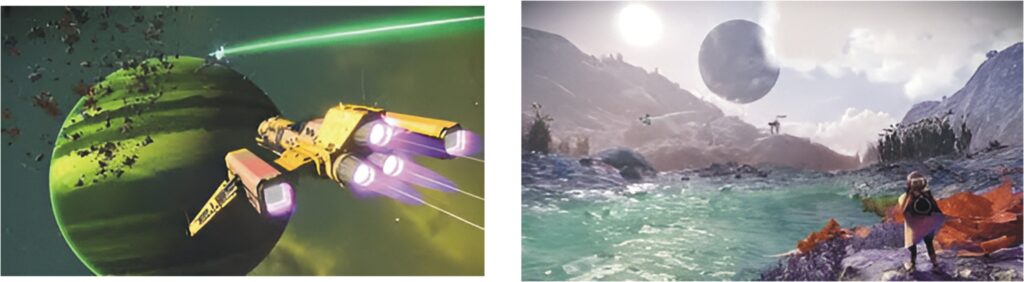
7. No Man’s Sky
Platform: PC, PS4, PS5, Xbox One, Xbox Series X/S
Price: Around $59.99
Buy link: https://store.steampowered.com/app/275850/No_Mans_Sky/
How it uses AI:
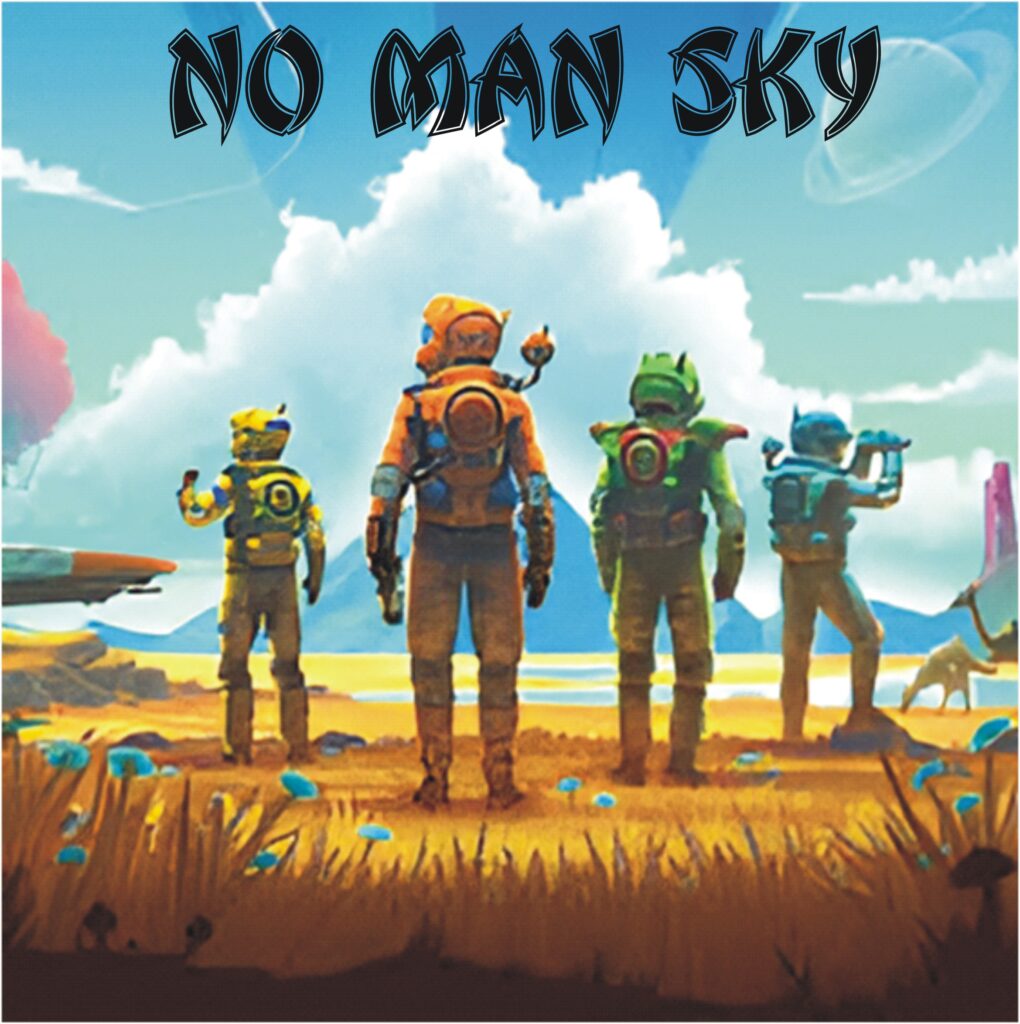
The entire universe is procedurally generated using AI Planets, creatures, weather, and even alien languages are created using math and code. Every player experiences a different world.
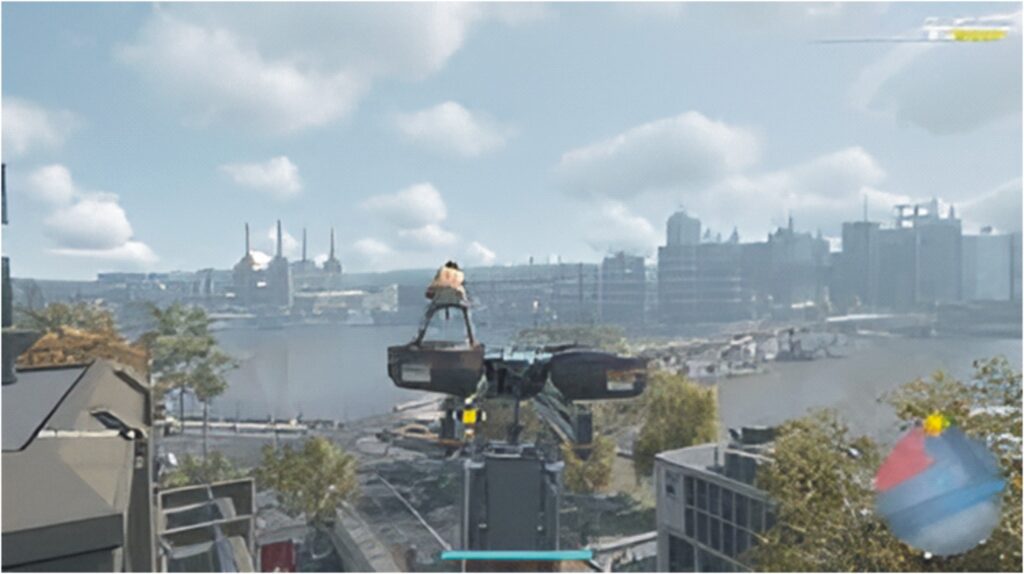
8. Watch Dogs: Legion
Platform: PC, PS4, PS5, Xbox One, Xbox Series X/S
Price: Around $59.99
Buy link: https://www.ubisoft.com/game/watch-dogs/legion
How it uses AI:
Every NPC in London is playable and has a unique life, job, routine, and personality. AI tracks their behavior and relationships, making the world feel alive and interactive.

9. Left 4 Dead 2
Platform: PC, Xbox 360
Price: Around $9.99
Buy link: https://store.steampowered.com/app/550/Left_4_Dead_2/
How it uses AI:
The “AI Director” changes the game’s pace, item spawns, and enemy numbers based on how well you’re playing. This keeps every session balanced and unpredictable.

10. Detroit: Become Human
Platform: PS4, PC (Epic Games Store, Steam)
Price: Around $39.99
Buy link: https://store.steampowered.com/app/1222140/Detroit_Become_Human/
How it uses AI:
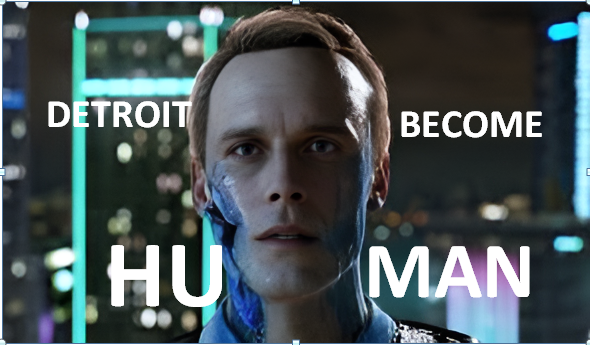
This game features branching storylines where your choices truly matter. AI tracks hundreds of variables and builds a story that reflects your actions. It’s one of the most emotional AI-driven games ever made
These games show how AI can create smarter enemies, richer worlds, and even new forms of storytelling. Some use AI for game play, some for creativity, and some for world-building—but they all prove one thing: AI is transforming games in every direction.
5. My Journey – Making a Game with ChatGPT
Making a game always feel like a dream to me. I’m not a professional developer. I didn’t have a big team or a huge budget. But when I discovered how AI tools like ChatGPT could help, that dream started to feel real. This is my story of how I made my own game with the help of AI.
How It All Started
At first, I did not seen people talking about using ChatGPT to write code or come up with ideas. I thought, “What if I could use this to build a game?” I didn’t know everything about programming or design, but I had a simple idea in my mind—a small game with basic levels and some cool features.
So I opened ChatGPT and asked, “Can you help me make a game?”
And just like that, the journey began.
ChatGPT Gave Me Code
I started by asking ChatGPT to help me create a simple game using Python and a library called Pygame. It gave me the basic setup:
A game window
A player character that could move
Enemies that chased the player
Score and level systems
I was amazed. It gave me clean, readable code and even explained what each line did. If I didn’t understand something, I could just ask, “What does this mean?” and it would break it down in plain English.
Over time, I added more:
A health system
Power-ups
Level progression
Sound effects
Every time I had a problem or an idea, I typed it into ChatGPT, and it responded with code, tips, or even suggestions for improvement.
ChatGPT Helped Me Write the Story
Once the mechanics were working, I wanted a story to give the game some personality. So I asked ChatGPT to help me write one. I told it the theme and the type of characters I had in mind, and it gave me:
A game intro
Character dialogue
Level descriptions
A simple plot with a beginning, middle, and end
It even helped me come up with the name of the game!
I learned that writing game text doesn’t have to be hard when you have AI to brainstorm with you.
AI Helped with the Art and Sounds Too
While I was working on the code and story, I wanted visuals and music too. I found tools like:
DALL·E and MidJourney to help generate character and background art
Jukebox AI and Soundraw to create music
Bfxr to make classic game sound effects
Now, I wasn’t just coding—I was building a real game with art, music, and mood.
The Bugs and Fixes
Of course, there were times when the game didn’t work. Sometimes the code had errors, or the logic didn’t make sense. But instead of searching the internet for hours, I could just paste the error into ChatGPT and say, “What’s wrong with this?” It helped me debug everything from simple typos to tricky logic problems.
In a way, ChatGPT feel like a personal teacher and partner.
What I Learned from the Journey
Here are some things I discovered while making my game with AI:
You don’t have to be an expert to start building something.
AI tools can guide you step-by-step, from idea to final result.
Making a game is hard—but it’s also really fun when you have support.
You can make mistakes and learn from them quickly with the help of AI.
Your creativity is the limit. AI will help bring your ideas to life.
Where the Game Is Now
I’m still improving my game. I’m adding more levels, polishing the graphics, and thinking about publishing it on platforms like playstore or Steam. The best part? I know that whenever I’m stuck, I can turn to ChatGPT for help.
My game may not be AAA-quality, but it’s my game, and AI helped me to create it. That’s something I am really proud of.
AI Tools You Can Use to Make Your Own Game
Thanks to AI, making a game isn’t just for big studios anymore. Whether you want to build a simple mobile game or a complex 3D adventure, there are AI tools that can help at every step. You don’t need to be an expert—you just need a clear idea, some time, and the right tools.
Here’s a list of the most useful AI tools for game development, grouped by category.
—
1. AI for Coding and Logic
(ChatGPT (OpenAI))
What it does: Helps write, explain, and fix code.
Best for: Beginners to advanced developers.
Use it to: Generate game logic in Python, JavaScript, C#, and more
Understand errors and debug
Plan features and system design
Website: https://chat.openai.com
(GitHub Copilot)
What it does: AI coding assistant that suggests code in real time inside your code editor.
Best for: Developers who use Code, Visual Studio, etc.
Use it to:
Write game code faster
Auto-complete functions
Generate boilerplate code
Website: https://github.com/features/copilot
—
2. AI for Art and Graphics
(DALL·E)
What it does: Creates images from text prompts using AI.
Best for: Concept art, backgrounds, characters, UI elements.
Use it to:
Create fantasy landscapes
Design icons and menus
Generate visual styles
Website: https://openai.com/dall-e
MidJourney
What it does: Generates high-quality art from prompts using Discord.
Best for: Detailed, stylized art.
Use it to:
Design characters, creatures, or weapons
Make game posters or visual references
Website: https://www.midjourney.com
(Leonardo.Ai)
What it does: Aimed specifically at game asset generation.
Best for: Backgrounds, item icons, textures, concept art.
Website: https://leonardo.ai
—
3. AI for Sound and Music
(Soundraw)
What it does: AI music generator that lets you customize tracks by mood, genre, and length.
Best for: Background music for levels or menus.
Website: https://soundraw.io
(AIVA)
What it does: AI composer that creates original tracks in various styles.
Best for: Classical, cinematic, or ambient music.
Website: https://www.aiva.ai
(Bfxr)
What it does: Free sound effects generator, often used for retro games.
Best for: Jump sounds, explosions, coin pickups.
Website: https://www.bfxr.net
—
4. AI for Animation and Movement
(DeepMotion)
What it does: AI-powered motion capture from 2D video.
Best for: Animating characters without hiring actors.
Website: https://www.deepmotion.com
(Cascadeur)
What it does: AI-assisted keyframe animation software.
Best for: Adding lifelike motion to characters and physics.
Website: https://cascadeur.com
—
5. AI for World and Level Design
(Promethean AI)
What it does: Helps artists build 3D scenes using AI suggestions.
Best for: Level designers using Unreal Engine.
Website: https://www.prometheanai.com
(Unity ML Agents)
What it does: Lets you train game characters using machine learning in Unity.
Best for: Smart enemy behavior or adaptive player support.
Website: https://unity.com/products/machine-learning-agents
—
6. AI for Story and Dialogue:-
(Inworld AI)
What it does: Builds intelligent NPCs that can hold dynamic conversations.
Best for: Games where story and interaction are key.
Website: https://www.inworld.ai
(Charisma AI)
What it does: Creates narrative-driven conversations powered by emotional AI.
Best for: Visual novels, RPGs, or story games.
Website: https://charisma.ai
7. Game Engines with AI Support:-
(Unity)
Why use it: Popular for 2D and 3D games. Has a huge asset store and supports AI plugins.
Website: https://unity.com
(Unreal Engine 5)
Why use it: High-end 3D games, cinematic visuals, and smart AI tools built-in.
Website: https://www.unrealengine.com
(Godot)
Why use it: Open-source, lightweight, and beginner-friendly.
Website: https://godotengine.org
If you’ve ever wanted to make your own game, now is the best time. These tools remove the hardest parts and let you focus on creativity. You can start small, learn as you go, and use AI to support your dream at every stage—from coding to art to sound to storytelling
The Future of AI in Games
The way AI is transforming games today is only the beginning. Looking ahead, AI promises to make gaming more immersive, creative, and personal than ever before. Here’s a glimpse of what the future might hold.
Smarter, More Realistic NPCs
As AI models get better, non-player characters (NPCs) will become much more lifelike. Instead of repeating fixed behaviors, they’ll:
Learn from players’ actions in real time
Hold dynamic conversations
Show emotions and personalities that evolve with the story
Form relationships and alliances based on your choices
This will make game worlds feel truly alive, full of characters who surprise you and react like real people.
AI-Generated Worlds and Content
Procedural generation powered by AI will let developers create vast, unique worlds on the fly. Imagine:
Entire planets with unique ecosystems and histories
Infinite levels that adapt to your playstyle
AI-created quests and stories tailored just for you
Player-driven content generation where your creations influence the game world
This will make games much more replayable and personal.
Personalized Gaming Experiences
AI could learn your preferences and skill level to tailor games specifically to you. This might mean:
Dynamic difficulty adjustment to keep the challenge just right
Storylines that change based on your emotional responses
Personalized tutorials and hints when you struggle
Custom soundtracks and visuals based on your mood
Games will feel like they’re made for you — a truly unique experience every time.
AI as a Creative Partner
Developers and players alike will use AI to co-create games. AI tools will help:
Designers brainstorm ideas and quickly prototype mechanics
Writers craft rich narratives and dialogue
Artists generate assets in seconds
Programmers solve problems and optimize code faster
Even hobbyists will be able to make professional-quality games with AI’s help.
New Genres and Game Types
AI might create entirely new kinds of games we haven’t imagined yet. For example:
Games with no fixed storyline, where AI weaves the plot in real time
Virtual worlds inhabited by AI beings that learn and grow
Mixed reality games blending the real world with AI-driven digital content
Games that evolve constantly based on player communities and AI feedback
The boundary between player, creator, and game will blur.
Ethical and Social Challenges
With these advances come important questions:
How do we ensure AI respects player privacy and consent?
What happens when AI-generated content includes biases or harmful material?
How do we balance AI creativity with human jobs and roles?
How do we keep AI safe and under control in immersive virtual worlds?
Developers, players, and policymakers will need to work together to make AI-powered gaming positive and fair.
Final Thoughts
The future of AI in games is thrilling. It promises worlds more alive and stories more meaningful. It opens doors for more people to create games and for players to have truly personalized adventures. At the same time, it calls for careful thinking about ethics and responsibility.
If you’re excited by games today, the next decade will blow your mind. AI will be at the heart of it all — changing games and how we play them in ways we can only begin to imagine.
Conclusion:-
It’s been a long wait for GTA VI, and fans around the world have been holding their breath for years. The game was expected to release in 2025, but as we
all know now, it been delayed.. Two years ago, the developers said that in GTA VI, players would be able to enter about 70% of the buildings in the game. That was already an impressive number compared to past games. But now, something amazing has happened—the plan changed. Instead of 70%, developers are now working toward making 100% of the buildings enterable. Yes every building in the game!
AI now helping in creating interior layouts, decorations, lighting, and even furniture automatically, based on the type of building. For example, a small café can be filled with tables, a counter, coffee machines, and little details like napkins or signs—all with the help of AI. This doesn’t mean human designers are being replaced, but rather, they are being supported by AI tools that handle the time-consuming parts, allowing artists to focus on polishing and perfecting the details. It’s a win-win situation.
This shift shows how AI is transforming not just the gaming world, but many creative industries. In the case of GTA VI, it means we will get to explore every single building, which makes the world feel more real, more alive, and more interactive. Imagine walking into a random apartment or a shop and discovering unique characters, hidden items, or even storylines—this adds a whole new layer to the gaming experience. The game becomes not just something you play, but something you truly live in.
Beyond GTA VI, this technology opens the door for many future games to be bigger, deeper, and richer in detail. Developers can now build entire cities, towns, or fantasy worlds that feel handcrafted, even if much of the work is powered by smart AI. This gives smaller game studios the power to make games that once only big companies could afford to create.
At the same time, this also helps reduce burnout for game developers. In the past, many teams worked long, stressful hours trying to finish games on time. Now, with AI helping speed up parts of the process, there’s less pressure and more room for creativity. Games can be made with better care, and developers can focus on innovation rather than rushing to meet deadlines.
Of course, there are still challenges. AI is a tool, and like any tool, it needs to be used wisely. Designers still need to check and refine AI-generated work to make sure it fits the vision of the game. But the progress is clear: AI is becoming a powerful partner in game development
In the end, the delay of GTA VI might feel disappointing, but it’s happening for all the right reasons. Instead of rushing out a half-finished game, the developers are using cutting-edge technology to give players something truly special. A world where every building can be explored, where every corner has a story, and where every player can feel completely immersed. The wait will be worth it. Thanks to AI, the future of gaming looks brighter, and more exciting than ever before.